

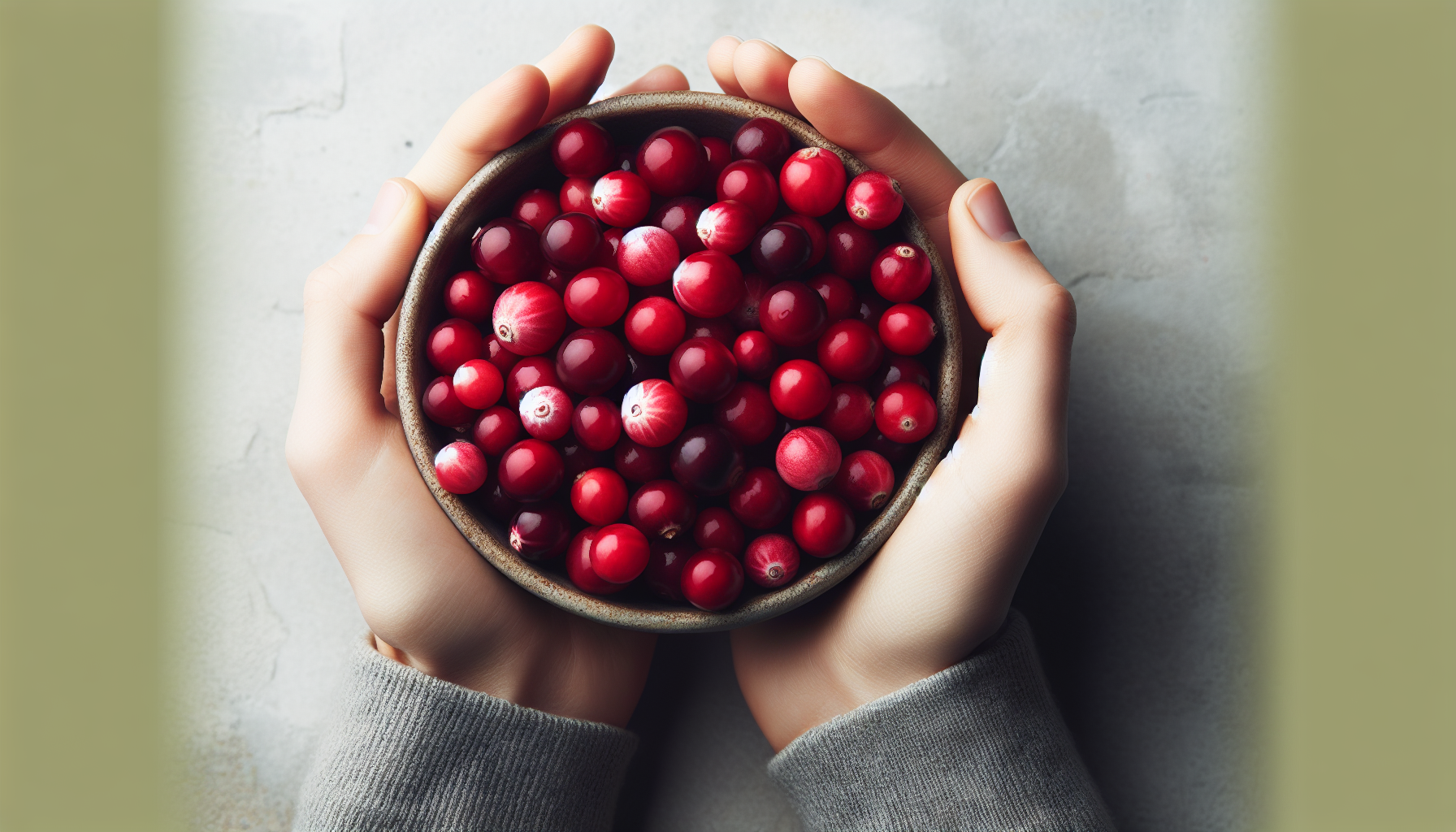
If you’ve ever wondered how to make your fresh cranberries last longer, look no further! This article will show you a simple and effective way to freeze fresh cranberries, preserving their flavor and texture for months to come. Whether you want to stock up during the holiday season or simply enjoy cranberries year-round, this step-by-step guide will have you freezing cranberries like a pro in no time. So grab those cranberries and get ready to extend their shelf life in a hassle-free manner!
Gather Your Supplies
To successfully freeze fresh cranberries, you’ll need a few key supplies. First and foremost, you’ll need a supply of fresh cranberries. These can usually be found in the produce section of your local grocery store during the fall and winter months.
In addition to the cranberries, you’ll also need a baking sheet, a freezer bag or container, and a marker or label to help you indicate the date of freezing. Having these supplies ready beforehand will make the freezing process smoother and more efficient.
Sort and Remove Any Imperfections
Before freezing your cranberries, it’s important to sort through them and remove any imperfections. Begin by inspecting the cranberries, looking for any that may be damaged or rotten. These should be discarded to ensure the quality of the frozen cranberries.
Next, pick out any leaves or stems that may have been included with the cranberries. These can affect the taste and texture of the frozen fruit, so it’s best to remove them before moving on to the next step.
Rinse the Cranberries
Once the cranberries have been sorted and any imperfections have been removed, it’s time to give them a good rinse. Start by placing the cranberries in a colander, which will allow any excess water to drain away easily.
Rinse the cranberries under cold running water, gently agitating them to ensure that all the berries are thoroughly cleaned. This will help remove any dirt or debris that may be present on the surface of the cranberries. Be sure to pay attention to any hard-to-reach areas, such as the crevices between the berries.
After rinsing, inspect the cranberries once again to check for any remaining debris. If you spot any, simply remove it before moving on to the next step.
Blanch the Cranberries (optional)
Blanching the cranberries is an optional step that some people choose to take. Blanching involves briefly submerging the cranberries in boiling water and then immediately transferring them to ice water. This process can help retain the cranberries’ freshness and enzyme activity.
To blanch the cranberries, start by bringing a pot of water to a boil. While the water is heating up, prepare a bowl of ice water. Once the water has reached a rolling boil, carefully submerge the cranberries for 1-2 minutes. It’s important not to blanch them for too long, as this can result in overly soft berries.
After blanching, quickly transfer the cranberries to the bowl of ice water to halt the cooking process. Allow them to cool for a few minutes before proceeding to the next step.
Dry the Cranberries
To ensure that the cranberries freeze evenly and with minimal excess moisture, it’s important to dry them properly. Start by spreading the cranberries out on a clean towel, making sure they are in a single layer. This will allow the towel to absorb any remaining water on the surface of the cranberries.
Next, gently pat the cranberries dry with another clean towel. Be sure to avoid applying excessive pressure, as this can cause the berries to become mushy. It’s important to be thorough in drying the cranberries, as excess moisture can lead to freezer burn or clumping.
After patting them dry, it’s best to allow the cranberries to air dry completely. This can take anywhere from a few minutes to an hour, depending on the temperature and humidity of your kitchen. Once they are completely dry, they are ready for the next step.
Pre-Freeze the Cranberries
Pre-freezing the cranberries before packaging them will help prevent them from sticking together, making it easier to access the desired amount when needed. To pre-freeze the cranberries, simply place them on a baking sheet, spreading them out in a single layer.
Make sure the cranberries are not touching each other, as this can cause them to freeze together. Once they are arranged on the baking sheet, place it in the freezer and leave the cranberries to pre-freeze for 1-2 hours. This step is important for ensuring that the cranberries freeze individually, allowing for easy portioning later on.
Packaging the Cranberries
Once the cranberries have been pre-frozen, it’s time to package them for long-term storage. Using freezer bags or containers will help protect the cranberries from freezer burn and keep them fresh for an extended period of time.
Transfer the pre-frozen cranberries into the freezer bags or containers, ensuring that they are stored in a single layer. Remove as much excess air as possible from the bags or containers before sealing them tightly. This will minimize the risk of freezer burn and help extend the shelf life of your cranberries.
Labeling and Dating
To keep track of the freshness of your frozen cranberries, it’s important to label and date them before storing them in the freezer. Use a marker or label to clearly write the date of freezing on each bag or container. This will allow you to easily identify how long the cranberries have been stored and determine when they should be used.
In addition to the date, it’s also helpful to indicate the content on the label. Simply write “cranberries” on each bag or container to avoid any confusion when you’re searching for a specific item in your freezer.
Storing in the Freezer
Now that your cranberries are properly packaged and labeled, it’s time to store them in the freezer. Place the bags or containers of cranberries in the freezer, making sure they are stored upright to minimize the risk of breakage or leakage.
Avoid stacking or piling other items on top of the cranberries, as this can cause them to become squished or damaged. It’s best to keep them in a place where they won’t be disturbed or jostled, ensuring that they remain in good condition throughout their time in the freezer.
Tips and Considerations
Before you start the process of freezing fresh cranberries, here are a few tips and considerations to keep in mind:
- Cranberries can be frozen for up to one year, so it’s a great way to preserve them and enjoy their tangy flavor long after their season has passed.
- Blanching the cranberries before freezing can help retain their freshness and enzyme activity, but it is not required.
- After freezing, cranberries may become slightly softer in texture. This is normal and does not affect their taste or usability.
- If you want to reduce the cleaning time, consider freezing pre-washed cranberries. This way, you can skip the rinsing step before freezing.
- When thawed, cranberries may release some juice. This is natural and can be used to add flavor to smoothies, sauces, or baked goods.
- Frozen cranberries can be used in a variety of recipes, including smoothies, sauces, jams, pies, muffins, and more. They retain their flavor and nutritional value even after freezing.
By following these steps and tips, you can easily freeze fresh cranberries and have them readily available for your favorite recipes throughout the year. Enjoy the convenience and taste of frozen cranberries, and say goodbye to wasted, spoiled fruit!
