
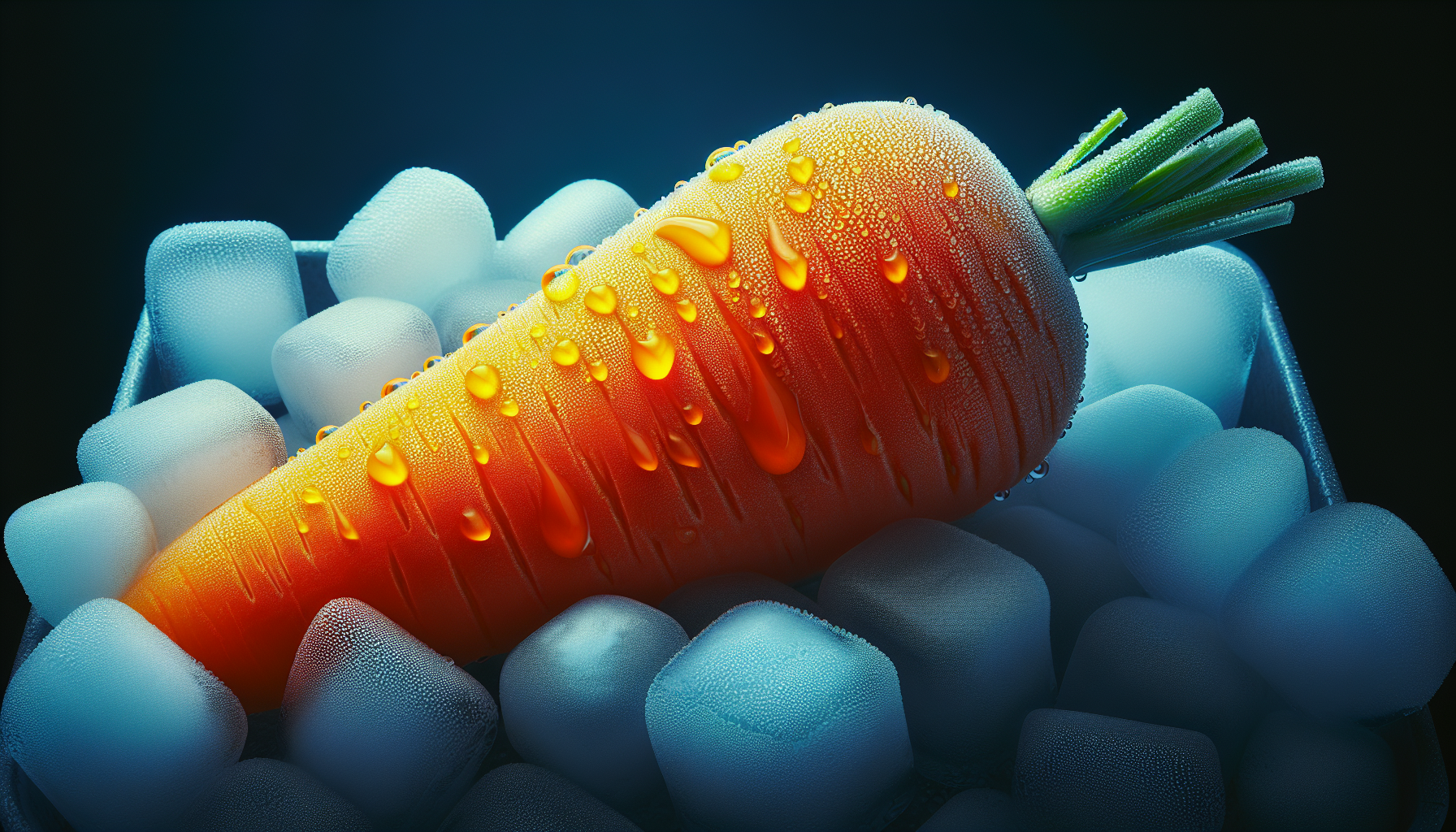
Have you ever found yourself with an abundance of fresh carrots and wondered what to do with them before they go bad? Well, worry no more! In this article, you will learn a simple and effective method for freezing fresh carrots, ensuring that you can enjoy their delicious flavor and nutritional benefits all year round. Whether you grow your own carrots or simply have an excess from your grocery run, freezing them is a fantastic way to preserve their freshness and extend their shelf life. Let’s dive in and discover the straightforward process of freezing fresh carrots.
Selecting and Preparing Fresh Carrots
Choosing the Right Carrots
When it comes to selecting fresh carrots for freezing, it’s important to choose ones that are firm, bright orange, and free from any signs of decay or blemishes. Look for carrots that are uniform in size, as this will ensure they freeze evenly. Avoid carrots that are soft, wrinkled, or have a dull appearance. Organic carrots are a great option if you prefer to use pesticide-free produce.
Washing and Peeling the Carrots
Before freezing your carrots, it’s crucial to wash and peel them properly. Start by rinsing the carrots under cool running water to remove any dirt or debris. Use a vegetable brush to gently scrub away any stubborn dirt. If the carrots have any green tops, trim them off, as they can cause the carrots to go bad more quickly. If desired, you can peel the carrots using a vegetable peeler to remove the outer skin. However, keep in mind that the skin contains many beneficial nutrients and fiber, so leaving it on is a nutritious option.
Blanching the Carrots
Preparing the Blanching Pot
Blanching is a crucial step in preparing carrots for freezing, as it helps maintain their flavor, texture, and color. To blanch the carrots, start by bringing a large pot of water to a rolling boil. Fill another bowl with ice water and place it nearby. This will be used to cool the carrots after blanching, halting the cooking process and preserving their freshness. Make sure to have a slotted spoon or tongs handy for transferring the carrots between the boiling water and the ice water bath.
Blanching the Carrots
Once the water in the pot is boiling, carefully add the washed and peeled carrots. Make sure not to overcrowd the pot, as this can result in uneven blanching. Allow the carrots to boil for approximately 2-3 minutes. This blanching process helps to kill any bacteria present and slows down enzyme activity, preserving the carrots’ quality during the freezing process. After the allotted time, use a slotted spoon or tongs to transfer the carrots into the ice water bath. Let them sit in the ice bath for the same amount of time as they were boiled.
Cooling and Drying the Carrots
Removing the Carrots from the Boiling Water
Once the carrots have been in the ice water bath for the designated time, carefully remove them with a slotted spoon or tongs. Ensure that all the carrots are fully submerged and have had a chance to cool properly. This step is crucial in halting the cooking process and preventing the carrots from becoming overcooked or mushy.
Cooling and Drying the Carrots
After removing the carrots from the ice water bath, gently pat them dry with a clean kitchen towel or paper towel. Make sure to remove any excess moisture, as this can lead to frost formation during freezing. Allow the carrots to air dry for a few minutes to ensure they are completely dry before proceeding to the packaging step.
Packaging the Carrots
Choosing the Right Containers
Proper packaging is essential in maintaining the quality and freshness of frozen carrots. It’s best to use containers that are specifically designed for freezing, such as freezer bags or airtight plastic containers. Make sure the containers are clean and free from any lingering odors. If using plastic bags, squeeze out as much air as possible before sealing to minimize freezer burn. Alternatively, you can also use vacuum-sealed bags for optimal freshness.
Packing the Carrots
Once the containers are ready, pack the blanched, cooled, and dried carrots into them. It’s best to leave a small amount of headspace to allow for expansion during freezing. Avoid overcrowding the containers, as this can result in clumping. If using freezer bags, lay them flat to maximize freezer space and stack them neatly. Remember to label each container or bag with the date of freezing and the contents to ensure easy identification later.
Labeling and Storing the Carrots
Labeling the Containers
Before placing the packed carrots in the freezer, it’s important to label each container or bag. Use a permanent marker or labels to clearly indicate the date of freezing and the contents. This will help you keep track of the frozen carrots and ensure you use them within the recommended storage time.
Storing the Carrots in the Freezer
Now that your carrots are properly labeled, it’s time to store them in the freezer. Place the containers in a designated freezer section where the temperature remains consistently below 0°F (-18°C). It’s best to keep the carrots in the back of the freezer, where the temperature is generally the coldest. Avoid placing them near the freezer door or in areas prone to temperature fluctuations. Proper storage will help maintain the best quality and taste of the frozen carrots for an extended period of time.
Using Frozen Carrots
Thawing the Carrots
When it’s time to use your frozen carrots, it’s crucial to thaw them properly to ensure optimal flavor and texture. The safest way to thaw frozen carrots is by transferring them from the freezer to the refrigerator. Allow the carrots to thaw overnight or for approximately 6-8 hours. This gradual thawing process prevents moisture loss and preserves the quality of the carrots. Avoid thawing them at room temperature, as this can lead to bacterial growth and foodborne illness.
Ideas for Utilizing Frozen Carrots
Frozen carrots are versatile and can be used in a variety of dishes. They can be added to soups, stews, casseroles, stir-fries, or roasted alongside other vegetables. You can even puree the thawed carrots for use in sauces, baby food, or baking recipes like carrot cake or muffins. The possibilities are endless, so get creative with how you incorporate these convenient and nutritious frozen carrots into your meals.
In conclusion, selecting and preparing fresh carrots for freezing requires careful attention to detail. From choosing the right carrots and washing them properly to blanching, cooling, and packaging them correctly, each step is crucial in preserving their flavor, texture, and nutritional value. Proper labeling, storage, and thawing techniques ensure that the frozen carrots maintain their quality and can be conveniently used in a variety of dishes. So the next time you have an abundance of fresh carrots, don’t let them go to waste – freeze them to enjoy their goodness year-round!
