

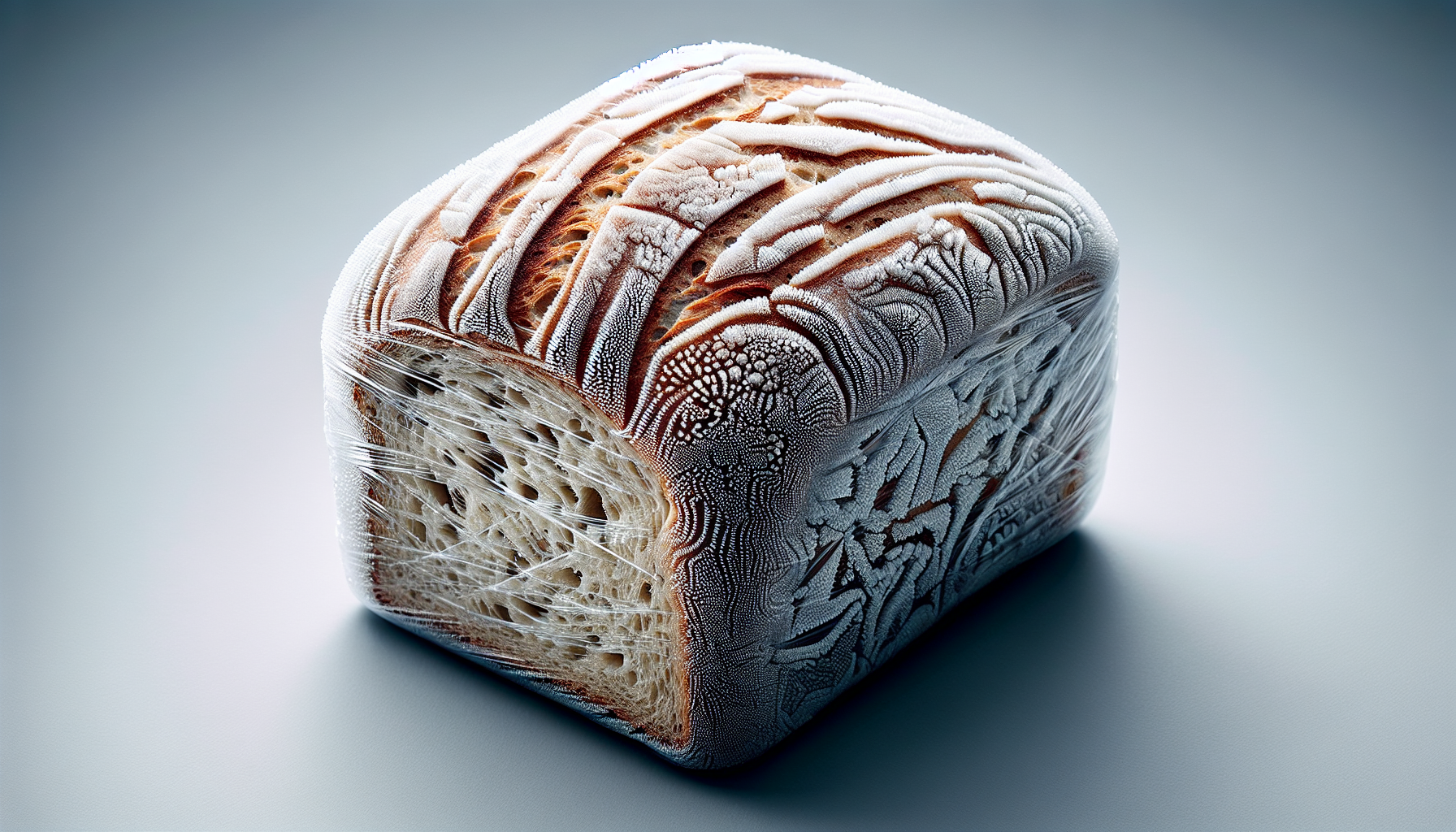
So, you have found yourself in the perplexing predicament of having more loaves of bread than you can devour before they go stale. Fear not, my friend, for I am here to unravel the mystery of how to freeze bread! In this article, we will guide you through the simple steps required to preserve your precious bread for future enjoyment. Whether you’re a seasoned freezer or a novice in this realm, we’ve got you covered with expert tips and tricks. So, let’s dive straight into the freezer and learn the art of freezing bread!
Choosing the Right Bread
Selecting a Suitable Bread
When it comes to freezing bread, not all types are created equal. It’s important to select a bread that freezes well and maintains its texture and taste after being thawed. Opt for bread with a denser texture, such as white bread or whole wheat bread. Softer bread with a fluffy texture, like French baguettes or brioche, may not hold up as well in the freezer.
Avoiding Freshly Baked Bread
While the temptation to freeze a freshly baked loaf of bread may be strong, it’s best to resist. Freshly baked bread contains more moisture, which can lead to ice crystals forming during the freezing process. This can result in a soggy and less appetizing texture once the bread is thawed. It’s recommended to wait until the bread has cooled completely before attempting to freeze it.
Opting for Pre-Sliced Bread
If convenience is a priority, pre-sliced bread is a great option for freezing. Sliced bread can easily be taken out of the freezer and used as needed, without having to defrost and slice a whole loaf. Additionally, pre-sliced bread can thaw more evenly and quickly compared to a whole loaf.
Consideration for Homemade Bread
If you’re a fan of homemade bread, you can definitely freeze it for future enjoyment. However, keep in mind that homemade bread tends to have fewer preservatives and may not last as long in the freezer. It’s best to consume homemade frozen bread within three months to ensure optimal taste and freshness.
Preparing Bread for Freezing
Allowing Bread to Cool Completely
Before freezing bread, it is important to allow it to cool completely. This helps to prevent condensation from forming inside the packaging, which can lead to the development of ice crystals. Place the bread on a wire rack and let it cool for at least an hour before proceeding with the freezing process.
Slicing Bread if Necessary
If you have a whole loaf of bread that you want to freeze, consider slicing it before freezing. This allows for easier portion control and flexibility when it comes to using the bread later on. Use a serrated knife to slice the bread into evenly-sized pieces.
Wrapping the Bread Properly
Proper wrapping is crucial for maintaining the quality of frozen bread. Wrap the bread tightly in plastic wrap or aluminum foil to prevent any air from getting in. Make sure the entire loaf is covered and sealed to minimize the risk of freezer burn.
Using Freezer Bags or Containers
To provide an extra layer of protection against freezer burn, place the wrapped bread inside a freezer bag or container. Make sure to remove as much air as possible from the bag before sealing it tightly. Alternatively, you can use airtight freezer-safe containers to prevent air and moisture from reaching the bread.
Freezing Whole Loaves of Bread
Wrapping the Whole Loaf
If you prefer to freeze a whole loaf of bread, it’s important to wrap it properly to ensure its freshness. Wrap the entire loaf tightly in a double layer of plastic wrap, making sure that no part of the bread is exposed.
Removing Excess Air
To minimize the risk of freezer burn, squeeze out as much air as possible from the plastic wrap. This creates a tight seal around the bread and helps to maintain its moisture and flavor during freezing.
Labeling and Dating the Bag
To keep track of the bread’s freshness, it is essential to label and date the bag. Use a permanent marker to write the date of freezing on the plastic wrap or freezer bag. This way, you can easily determine how long the bread has been frozen and use it accordingly.
Placing in the Freezer
Once the whole loaf of bread is wrapped, air-free, labeled, and dated, place it in the freezer. Ideally, it is best to store the bread in a part of the freezer where the temperature remains consistent to prevent any fluctuations that could affect the bread’s texture and taste.
Freezing Sliced Bread
Slicing the Bread
If you prefer to freeze sliced bread, start by slicing the loaf into evenly-sized pieces using a serrated knife. This allows for easier handling and portion control when you want to use the bread later on.
Dividing into Portions
To ensure convenience and avoid having to thaw more bread than you need, divide the slices into portions. You can separate them into sandwich-sized portions or smaller ones, depending on your preferences.
Layering in Freezer Bags
Place the sliced bread portions in freezer bags, arranging them in a single layer. If you wish to separate each slice, you can use parchment paper or plastic wrap to create dividers between them. This prevents the slices from sticking together and makes it easier to retrieve individual pieces when needed.
Labeling and Dating the Bags
Similar to freezing a whole loaf, labeling and dating the freezer bags with the date of freezing helps you keep track of the bread’s freshness. This allows you to use the oldest slices first and avoid accidentally defrosting bread that has been frozen for too long.
Freezing in Containers
If freezer bags aren’t available, you can also freeze the sliced bread in freezer-safe containers. Again, make sure to label and date the containers to easily identify the frozen bread and its freshness.
Thawing Frozen Bread
Removing Bread from the Freezer
When you’re ready to enjoy your frozen bread, carefully remove it from the freezer. Take out only the amount you plan to thaw and use to minimize unnecessary exposure to air and potential moisture.
Defrosting at Room Temperature
The simplest method to thaw frozen bread is to let it defrost at room temperature. Place the frozen slices or loaf on a plate or wire rack and leave them uncovered. Depending on the thickness of the bread, this can take anywhere from 1 to 3 hours. It is important to note that this method may result in a slight loss of moisture compared to freshly baked bread.
Using the Oven for Quick Thawing
If you’re in a hurry and need to thaw bread quickly, you can use your oven. Preheat the oven to the lowest temperature setting (usually around 200°F or 95°C). Wrap the frozen bread loosely in aluminum foil and place it on a baking sheet. Heat it in the oven for about 10-15 minutes, or until it’s thawed and warmed through.
Using the Microwave for Rapid Thawing
In situations where time is of the essence, you can use the microwave to rapidly thaw frozen bread. However, be cautious as microwaving bread can sometimes result in uneven thawing or make the bread become chewy. Start by placing the frozen bread on a microwave-safe plate and covering it with a damp paper towel. Set the microwave to the defrost or lowest power setting and microwave for 10-15 seconds at a time, checking the bread’s progress after each interval. Repeat until the bread is adequately thawed, but be careful not to overdo it.
Reviving Frozen Bread
Refreshing in the Oven
If your frozen bread feels slightly stale after thawing, you can revive its freshness by refreshing it in the oven. Preheat the oven to 350°F (175°C) and wrap the bread in aluminum foil. Place it in the oven for about 10 minutes, or until the bread is warmed through. This will help restore some of the bread’s original texture and make it taste freshly baked.
Moistening with a Damp Cloth
If your thawed bread has become a bit dry, you can restore some of its moisture by using a damp cloth. Moisten a clean cloth with water and lightly dampen the exterior of the bread. Place the bread in a sealed plastic bag and let it sit for a couple of hours. The moisture from the damp cloth will be absorbed into the bread, making it softer and more enjoyable.
Toasting to Restore Texture
Toasting frozen bread is an excellent way to bring back its texture and enhance its flavor. Simply pop the frozen slices into the toaster or toaster oven and toast them until they reach your desired level of crispiness. Toasting not only restores the bread’s texture but also adds a delightful crunchy element to your meal.
Using Frozen Bread for Toast
Toasting Frozen Bread Directly
One of the great advantages of freezing bread is its convenience for toast lovers. You can toast frozen slices directly without the need for thawing. Simply place the frozen slices directly into the toaster or toaster oven and toast them as you normally would. This method works particularly well for toast as it quickly brings the bread to a warm and crispy state.
Allowing Slight Thawing Before Toasting
If you prefer your toast to have a slightly softer center while still achieving a crispy exterior, consider allowing the frozen slices to thaw slightly before toasting. This can be done by either defrosting the slices in the microwave on the defrost setting for about 15-30 seconds or leaving them at room temperature for a few minutes. Once the slices have thawed slightly, proceed to toast them as desired.
Baking with Frozen Bread
Utilizing Frozen Bread in Recipes
Frozen bread can be a versatile ingredient in various recipes, not just for toast. You can incorporate frozen bread into dishes like bread pudding, French toast, stuffing, or croutons. The moisture retained in frozen bread can add texture and richness to your baked goods, making them even more delicious.
Thawing Bread for Baking
When using frozen bread in recipes that require defrosting, it is best to thaw the bread completely before incorporating it into the dish. Remove the frozen bread from its packaging and place it on a wire rack at room temperature until fully thawed. This can take 1 to 2 hours, depending on the size and thickness of the bread.
Adjusting Recipe Cooking Times
When utilizing thawed frozen bread in baking recipes, it’s important to adjust the cooking times accordingly. Thawed bread tends to contain more moisture and may require slightly longer baking times compared to fresh bread. Keep a close eye on your dish and use the recommended doneness indicators in the recipe to ensure perfect results.
Properly Incorporating Frozen Bread
When using frozen bread in recipes, it’s essential to properly incorporate it into the dish. Break or cut the thawed bread into smaller pieces as needed and follow the recipe’s instructions for incorporating the bread. Mixing the bread with other ingredients evenly and ensuring it soaks up any necessary liquids will help achieve the desired texture and flavor.
Storing Frozen Bread for Longevity
Maintaining Temperature in the Freezer
To ensure the longevity of your frozen bread, it’s crucial to maintain a consistent and appropriate temperature in your freezer. Set the freezer temperature to 0°F (-18°C) or lower to prevent any potential spoilage or degradation of the bread’s quality.
Minimizing Air Exposure
Air exposure is one of the main culprits behind freezer burn, which can lead to the deterioration of frozen bread. To minimize the risk of freezer burn, make sure to wrap the bread tightly in plastic wrap or aluminum foil, removing as much air as possible. Additionally, using airtight freezer bags or containers provides an extra layer of protection against air exposure.
Rotating and Using Older Bread First
To ensure the best taste and quality, it’s important to rotate your stash of frozen bread and use the older loaves or slices first. Labelling and dating your frozen bread will help you keep track of their freshness, allowing you to prioritize the older ones and prevent any from being forgotten and wasted.
Ensuring Proper Packaging
Proper packaging is key to maintaining the quality of frozen bread over extended periods. Make sure your wrapped bread is securely sealed, whether using plastic wrap, aluminum foil, or freezer bags. An airtight seal prevents air and moisture from reaching the bread, preserving its texture and taste.
Safety Precautions for Freezing Bread
Avoiding Freezing Moldy or Spoiled Bread
Before freezing bread, it’s crucial to ensure that it’s fresh and mold-free. Freezing bread that’s already moldy or spoiled can lead to further deterioration and potential health risks when consumed. It’s always best to freeze bread when it’s at its freshest to enjoy the best quality after thawing.
Using Quality Freezer Bags or Containers
Investing in high-quality freezer bags or containers is essential when freezing bread. These should be specifically designed to withstand freezing temperatures and provide a complete seal against air and moisture. Using low-quality or non-freezer-safe bags can result in freezer burn or freezer odors affecting the bread.
Preventing Freezer Burn
Freezer burn occurs when air comes into contact with the surface of the bread, causing moisture loss and the development of unpleasant textures and flavors. To prevent freezer burn, ensure the bread is wrapped tightly with no exposed areas, and remove as much air as possible from the packaging.
Following Recommended Storage Periods
While frozen bread can be safely eaten beyond its recommended storage period, it’s best to consume it within the suggested timeframe for optimal taste and quality. Different types of bread may have different recommended storage periods, so it’s important to consult the specific guidelines for each bread variety.
By following these guidelines, you can confidently freeze, thaw, and enjoy your favorite bread without compromising its taste and quality. Freezing bread allows for convenience, variety, and minimizing waste, making it a helpful practice for anyone who loves fresh bread but wants to have it available whenever needed.
